

How To Start Freelancing With No Experience 2026
In the rapidly changing world of work, freelancing has become an increasingly attractive career path for many individuals. If you’re just starting out, you might be wondering how you can break into freelancing without any prior experience. The good news is that it’s entirely possible! This guide will walk you through everything you need to know about starting your freelancing journey in 2026, even if you’re a total beginner.
Freelancing presents a unique opportunity to work independently, offering numerous benefits that appeal to many aspiring professionals. With the rise of remote work in 2026, freelancing is more accessible than ever before.
One of the most alluring aspects of freelancing is the flexibility it offers. You have the autonomy to set your own hours and work from virtually anywhere. This flexibility allows you to create a work-life balance that suits your personal needs, whether that means working from home, a café, or while traveling the world.
Freelancing opens up a diverse range of opportunities across various industries. You can choose projects that align with your interests and expertise, allowing you to work on something you are passionate about. This diversity also means you can pivot to new areas as your interests and skills evolve.
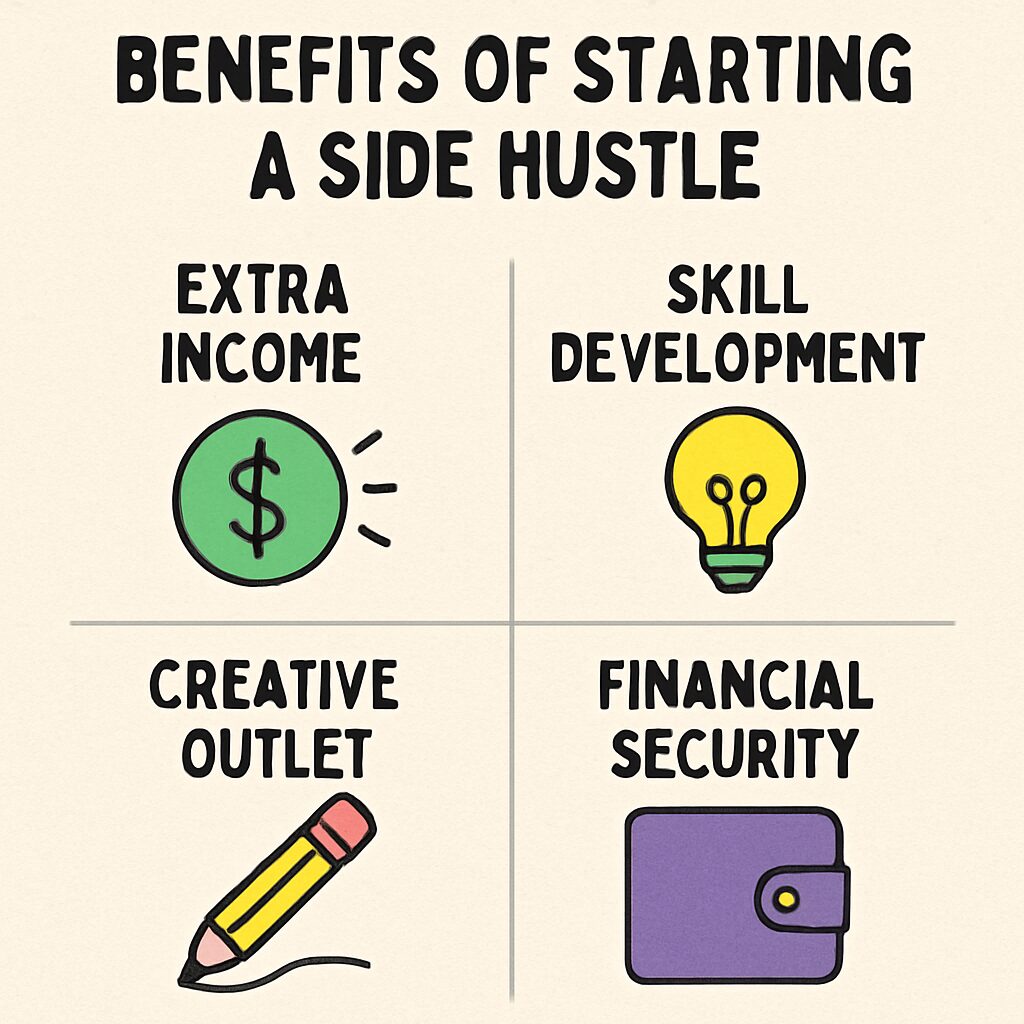
Unlike traditional jobs with a fixed salary, freelancing offers the potential for unlimited earnings. Your income is directly tied to the amount of work you take on and your ability to negotiate rates. Additionally, freelancing provides ample opportunities for skill development. Each new project can help you learn and grow, expanding your capabilities and increasing your marketability.
While freelancing offers many advantages, it’s not without its challenges. The lack of a guaranteed paycheck can be daunting, and you’ll need to manage everything from taxes to client relationships on your own. However, with the right strategies and mindset, you can turn these challenges into opportunities for growth and success.
Embarking on a freelancing career without experience may seem intimidating, but it’s entirely achievable with the right approach. Here’s how you can start building your freelancing career from scratch.
The first step in starting your freelancing journey is identifying the skills and interests you already possess. Begin by assessing your hobbies and past job experiences to pinpoint tasks you excel at. Even if your skills aren’t directly related to traditional freelancing roles, they can often be adapted or transferred.
- List Your Hobbies: Consider what you enjoy doing in your free time. Hobbies can often translate into marketable skills.
- Reflect on Past Jobs: Think about the tasks you excelled at in previous jobs. These tasks may reveal hidden talents and abilities.
- Seek Feedback from Others: Friends and family can provide valuable insights into your strengths and areas where you excel.
Selecting the right platform is crucial for finding freelance work as a beginner. Various platforms cater to different types of projects and skill levels. Explore popular platforms to find the best fit for your needs.
- Upwork: Known for offering a wide variety of freelance jobs across different industries, Upwork is a great starting point for beginners.
- Fiverr: Ideal for creative gigs, Fiverr allows you to showcase your talents through “gigs” that potential clients can purchase.
- Freelancer: With a broad range of project categories, Freelancer is another excellent option for those new to freelancing.
Even without prior experience, you can create a compelling portfolio that showcases your potential to clients. A well-crafted portfolio is essential for attracting your first clients and establishing credibility.
If you lack real-world experience, consider creating sample projects to demonstrate your skills. For example, aspiring freelance writers can write articles or blog posts on topics they are passionate about. Graphic designers can create logos or flyers for hypothetical companies.
Offering your services for free or at a reduced rate can help you build a portfolio and gain valuable testimonials. Reach out to local businesses or non-profits that might benefit from your skills, allowing you to gain experience while contributing to a good cause.
Social media platforms like LinkedIn, Instagram, and Pinterest are powerful tools for showcasing your work and connecting with potential clients. Engage with other freelancers and industry professionals to build a network and increase your visibility.
Determining the right rate for your services can be challenging, especially when you’re just starting out. It’s important to find a balance between being competitive and valuing your time and effort.
- Understanding Industry Standards: Research the going rates for your skills within the industry to ensure your pricing is competitive.
- Assessing Project Complexity: More complex projects should command higher fees, reflecting the additional effort and expertise required.
- Evaluating Time Commitment: Consider how long tasks take when setting your rates to ensure you are adequately compensated for your time.
Once your portfolio is ready, it’s time to start finding clients. Building a client base is a crucial step in establishing your freelancing career.
Networking is an essential part of finding freelance work. Leverage your existing network by letting friends and family know you’re available for freelance work. Additionally, consider pitching your services to small businesses or startups that might benefit from your skills.
- Attend Industry Events: Participate in virtual or in-person events to connect with potential clients and industry professionals.
- Join Online Communities: Engage in forums and groups related to your field to expand your network and discover new opportunities.
- Utilize LinkedIn: Use LinkedIn to reach out to potential clients and showcase your expertise through a well-crafted profile.
Once you land your first gig, focus on delivering exceptional work to ensure client satisfaction and build a positive reputation.
- Setting Clear Expectations: Ensure both you and the client have a mutual understanding of the project scope and deliverables.
- Staying Organized: Use project management tools like Trello or Asana to keep track of tasks and deadlines, ensuring timely delivery.
- Seeking Feedback and Improving: Regularly seek client feedback to identify areas for improvement and enhance your skills.
Freelancing is a journey, and like any journey, it comes with its share of ups and downs. However, with persistence, a willingness to learn, and the strategies outlined above, you can build a successful freelancing career even if you’re starting from scratch. In 2026, the freelancing landscape is full of opportunities. So why wait? Start building your freelancing career today and take control of your professional future.